
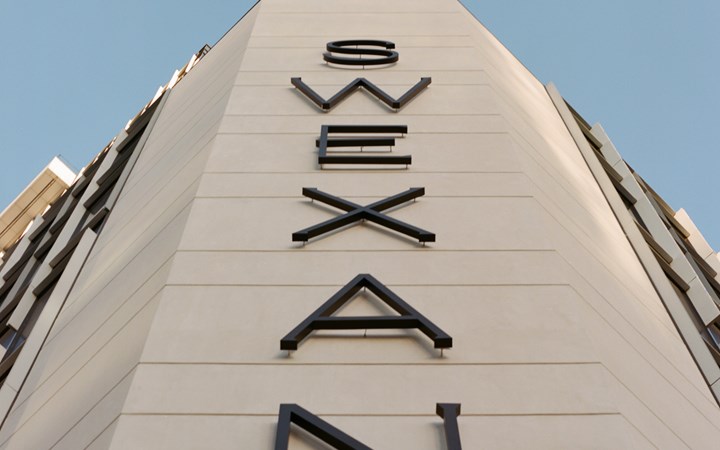
Most hotel beverage programs treat wine as a placeholder — a column between the cocktails and the mocktails. Hôtel Swexan, the Harwood District property that opened in Dallas in 2023, does the opposite: across two full years of the venue’s TABC-permit receipts, wine consistently produces more than a third of everything the hotel pours. That’s the story — and the gap between a wine program that looks intentional and one that performs like one is large, measurable, and visible in the receipts.
What the Numbers Actually Show
The permit holder — McKinnon Beverage Company LLC — has posted beverage receipts growth every year since opening. Full-year 2024 totaled $6.31 million; 2025 came in at $6.54 million (+3.6% YoY) — respectable when flat is the norm. But the most interesting part is wine share: across both full operating years, wine held ~34–35% of all beverage receipts — not one splashy quarter, but every quarter, across breakfast, lobby bar, dinner, and late-night.
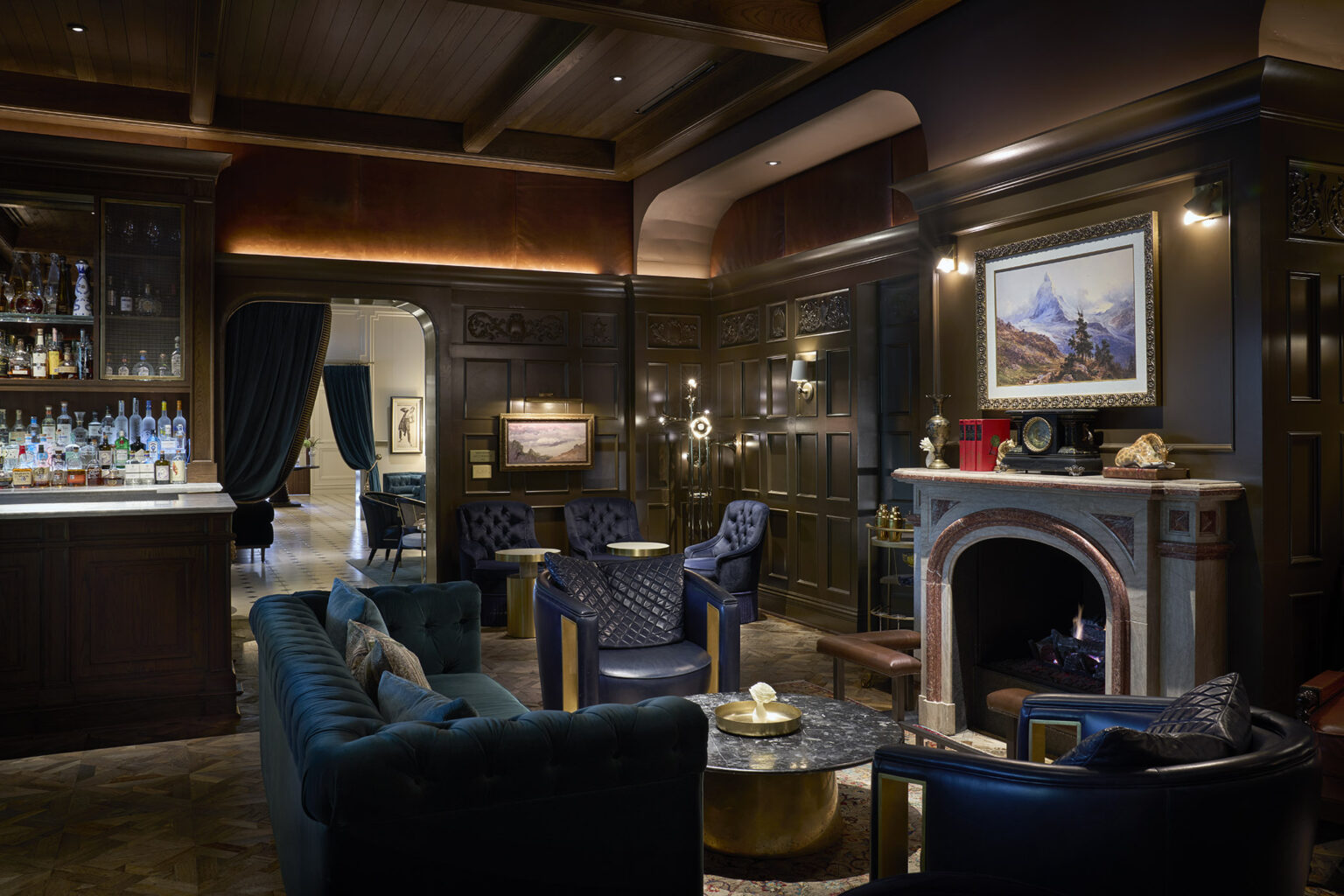
Isabelle’s, Hôtel Swexan’s all-day lounge. A wine program that holds 34% share across dayparts needs rooms like this — where a glass belongs at any hour.
For context: a typical hotel program runs wine ~20–28% of beverage revenue. Hitting that for a quarter is easy; holding 34% for eight straight quarters is a program decision, not luck. The peaks prove intent: wine hit 40.1% of receipts in Q1 2024 and ~39% in October 2025 — those are the ceiling of a program that averages 34%, not outliers on a 22% trend.
The December Pattern
Three consecutive Decembers (2023, 2024, 2025) have each been the biggest single month of their year. December 2025 set the all-time monthly record: $724,577 total, $257,469 of it wine — a mid-30s% wine share even through a cocktail-heavy holiday season. Q4 2025 ($1.98M) was the best quarter on record, topping Q4 2024 ($1.85M) by ~7%.
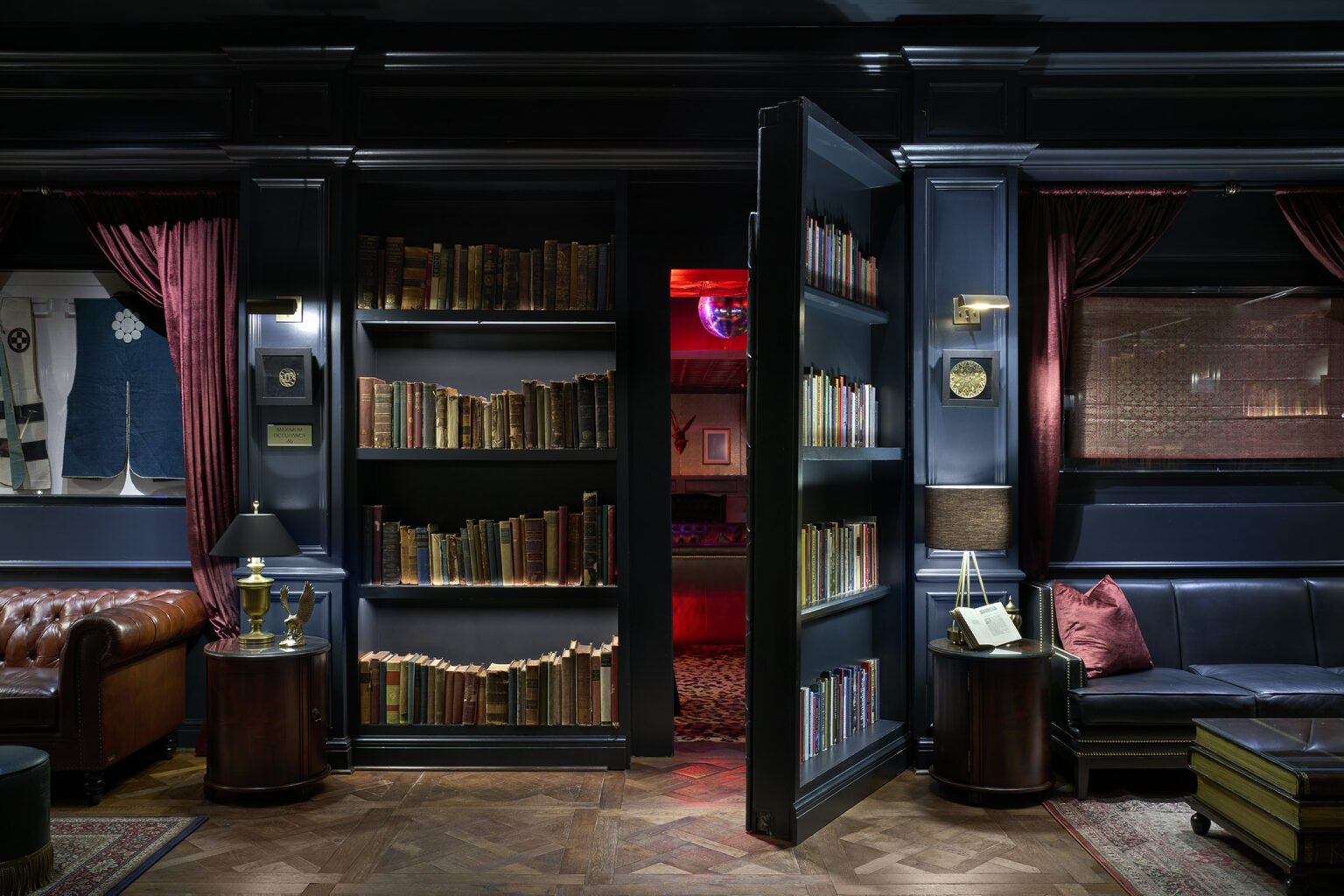
Babou’s, the speakeasy beneath Hôtel Swexan. Destination programming requires a destination. Three consecutive December records don’t happen in a generic hotel bar.
A property that makes December its destination month three years running has built something competitors can’t copy on short notice. Seasonal programming compounds: the guest who comes for a December wine experience returns, tells people, and books earlier next year. The property creates the conditions for the peak to recur.
Q1 2026: The Proof That It Isn’t Slowing
The strongest signal is the quiet quarter. Q1 is the hospitality trough. Q1 2026 came in at $1.50 million, up 9.9% over Q1 2025 — the biggest Q1-over-Q1 gain in the property’s history. A splashy opening produces peak numbers; two sustained years plus a 9.9% Q1 gain is evidence the core of the program is holding.
Four Things This Operation Is Doing That Others Are Not
Reading receipts tells you what happened, not why — but patterns at this scale aren’t accidents. Four decisions other operators can interrogate:
- Wine is depth-of-program, not depth-of-list. A long list doesn’t make 34% share; the right bottles at the right price architecture with staff who can navigate it does. Selection architecture beats selection size.
- The non-dinner dayparts do real wine volume. Sustaining 34–35% across the whole footprint means wine wins at the 3 PM bar, the business lunch, the pre-show drink — not just at white-tablecloth dinner.
- The December peak is built, not waited for. Three December records happen because the property makes a specific wine-forward holiday offer and executes it consistently enough that word travels.
- Momentum, not spikes. The 40.1% Q1 2024 spike could’ve been a fluke; wine settling back to 34–35% and holding says the program runs on systems, not events. Events spike; systems sustain.
What Operators Can Steal From This
The scale ($6.5M/yr) needs infrastructure most independents can’t replicate — but the principles scale down. First: pick a category and make it genuinely better than your competition — not broader, better; a 40-bottle list your staff knows cold beats a 200-bottle list nobody can navigate. Second: build a seasonal peak on purpose — design the program that makes your strongest window the reason guests choose you. Third: measure wine share, not just wine revenue — share rising (or holding) tells you wine is winning within your mix; below 25% and want more is a program problem, not a demand problem.
A Word on the Team
Program identity at this level takes people who treat wine as an experience being curated, not a line item — beverage directors, floor managers, and service staff executing consistently across two years. Swexan built something measurable and repeatable; the receipts validate them. Here’s to the team.
Figures: sales receipts filed under Texas TABC permits, 2023–Q1 2026. This Texas venue also appears in a companion spotlight on WhiskeyRiverTX.